Telematics & Auto Insurance
The auto insurance industry is undergoing a massive digital transformation, driven by a technology known as telematics. By bridging the gap between vehicle data and insurance pricing, telematics is shifting the paradigm from traditional demographics-based risk assessment to real-time, behavior-based pricing.
What is Telematics in Auto Insurance?
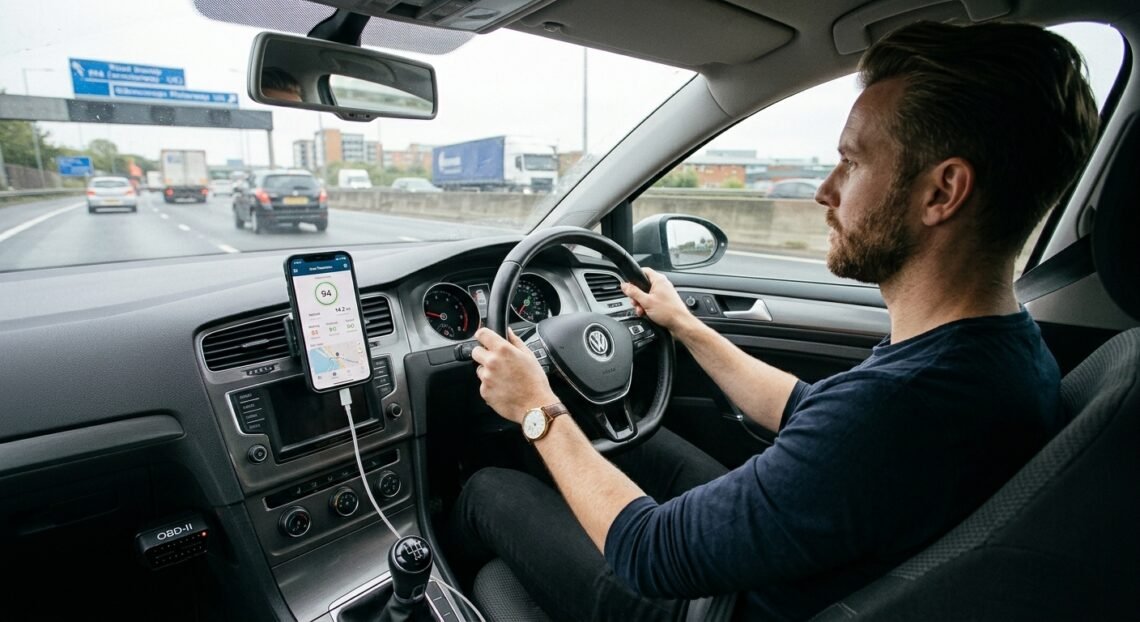
Telematics combines telecommunications and informatics to monitor vehicle usage and driving behavior. Insurance companies collect this data using either a plug-in OBD-II device, built-in connected car tech, or a dedicated smartphone app. Key metrics tracked typically include:
- Speed and Acceleration: Monitoring how aggressively a driver accelerates, speeds, or brakes.
- Mileage: Tracking total distance driven, which directly correlates with accident exposure.
- Time of Day: Assessing risk based on whether driving occurs during high-hazard hours, such as late-night commutes.
- Distracted Driving: Detecting phone usage or interactions while the vehicle is in motion.
The Rise of Usage-Based Insurance (UBI)
Traditional auto insurance relies heavily on proxies for risk—such as age, gender, zip code, and credit score. While actuarially sound in aggregate, these factors can penalize safe drivers who happen to live in high-risk areas or commute long distances.
Telematics introduces Usage-Based Insurance (UBI) and Pay-How-You-Drive (PHYD) models. Under these programs, premiums fluctuate monthly depending on actual performance behind the wheel. Safe drivers are rewarded with significant discounts—sometimes up to 30% or more—while higher-risk behaviors are highlighted, giving motorists actionable insights to improve their safety habits.
Benefits for Both Drivers and Insurers
The adoption of telematics creates a win-win scenario for both parties:
- Fairer Pricing: Drivers pay for what they actually do rather than fitting into broad statistical buckets.
- Improved Road Safety: Real-time feedback encourages drivers to curb speeding, hard braking, and phone distractions.
- Faster Claims Processing: In the event of a collision, crash-detection telemetry can instantly notify emergency services and transmit data, expediting claims settlement.
- Loss Prevention: Insurers benefit from reduced payout frequencies and severities due to overall safer driving behaviors.
Privacy and Challenges Ahead
Despite its many advantages, telematics is not without hurdles. Privacy advocates raise concerns regarding the continuous tracking of personal locations and driving habits. Furthermore, drivers express anxiety that sudden premium spikes or algorithmic errors could unfairly penalize them. To maintain consumer trust, insurers must remain transparent about data usage, retention policies, and security measures.
Conclusion
Telematics is no longer just a niche perk; it is becoming the cornerstone of modern auto insurance. As connected vehicles become ubiquitous, data-driven underwriting will replace antiquated proxy models entirely. Ultimately, telematics transforms insurance from a passive financial safety net into an active partner in everyday road safety.
Would you like to explore specific telematics programs offered by major insurance providers, or dive deeper into how driver data is protected?