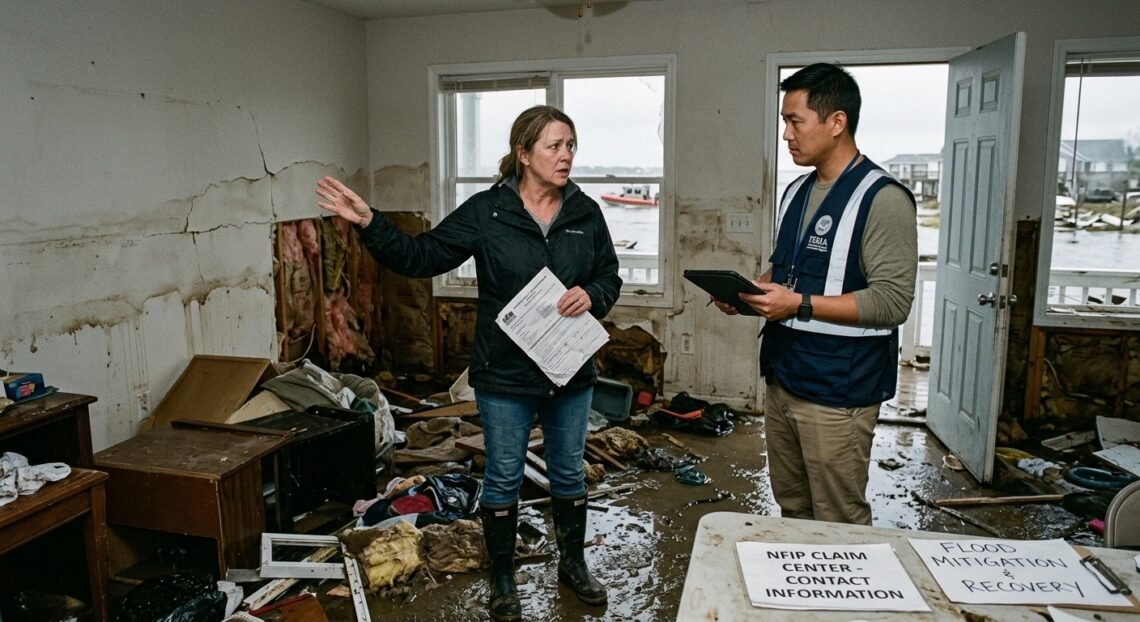
Climate Change & Property Insurance: The New Reality of Risk
The property insurance industry is facing a profound structural crisis. Driven by an escalation in the frequency and severity of extreme weather events, climate change is fundamentally disrupting how risk is calculated, priced, and insured. What was once considered “tail risk”—rare, unpredictable natural disasters—has become an annual expectation, placing immense pressure on homeowners and global insurers alike.
The Accelerating Crisis of Extreme Weather
The physical manifestations of climate change—ranging from catastrophic wildfires and severe convective storms to rising sea levels and intense hurricanes—have driven insured losses to historic highs. Traditional predictive models, which relied heavily on historical weather data to forecast future risk, are no longer reliable.
- Surging Claims and Costs: The volume of billion-dollar weather disasters has grown exponentially, causing massive payouts that strain insurance reserves.
- The Cost of Rebuilding: Inflation paired with supply chain volatility means that when disasters strike, rebuilding homes and commercial properties is significantly more expensive than it was a decade ago.
Soaring Premiums and Coverage Retreat
As climate-related payouts escalate, private insurance carriers are drastically shifting their strategies to protect their balance sheets. This has triggered widespread market disruptions:
- Skyrocketing Premiums: Homeowners in high-risk zones—such as wildfire-prone regions in the West or hurricane-vulnerable coasts in the South—are experiencing unprecedented rate spikes, often outpacing general inflation.
- Carrier Pullbacks and Non-Renewals: Major insurance companies have restricted new policies or stopped writing coverage altogether in heavily exposed ZIP codes, leaving property owners scrambling for alternatives.
- Insurers of Last Resort: With private options vanishing, millions of policyholders are turning to state-backed “FAIR plans” or residual pools, which typically offer limited coverage at much higher costs.
Adaptation and the Path Forward
Mitigating the property insurance crisis requires a collaborative shift toward proactive resilience. Insurers are increasingly incentivizing risk reduction by rewarding policyholders who implement defensible space around structures, utilize fire-resistant building materials, or elevate properties in flood zones. Ultimately, bridging the protection gap will depend on combining aggressive climate adaptation, updated building codes, and innovative public-private risk-sharing models.
Would you like to explore how modern risk-mapping technologies are changing property reclassifications and insurance eligibility?